Parchment
Coffee Roasters
Small-batch coffee, roasted behind the counter and poured ten metres from the drum.
What we do
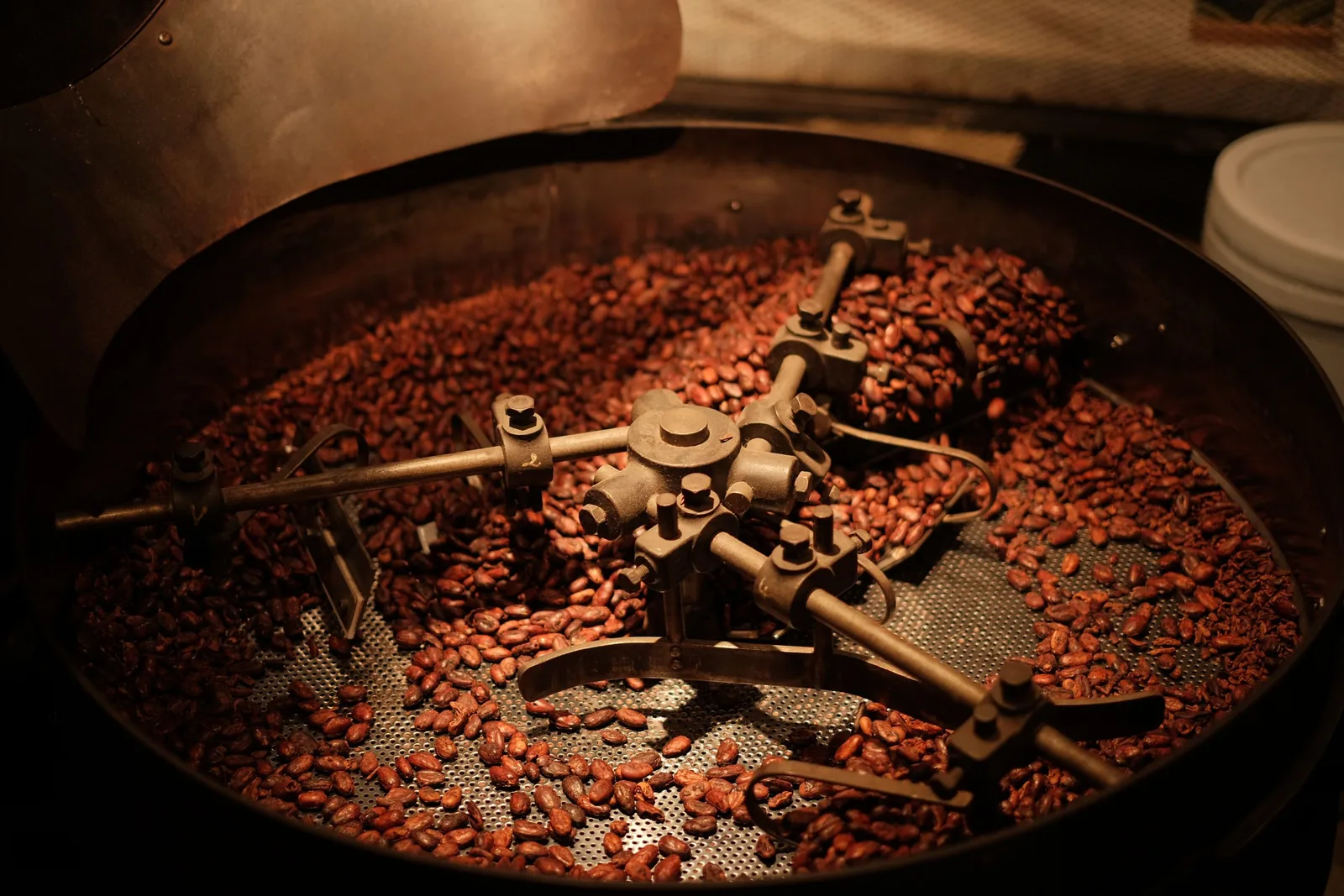
We buy green coffee from farms we know by name, roast it twice a week and pour it in the room where it was roasted.
Every bag on the shelf carries the same label: who grew it, how high, how it was processed and what it tastes like in the cup. No blends with secret names, no dark roasts hiding the farm.
01Farm
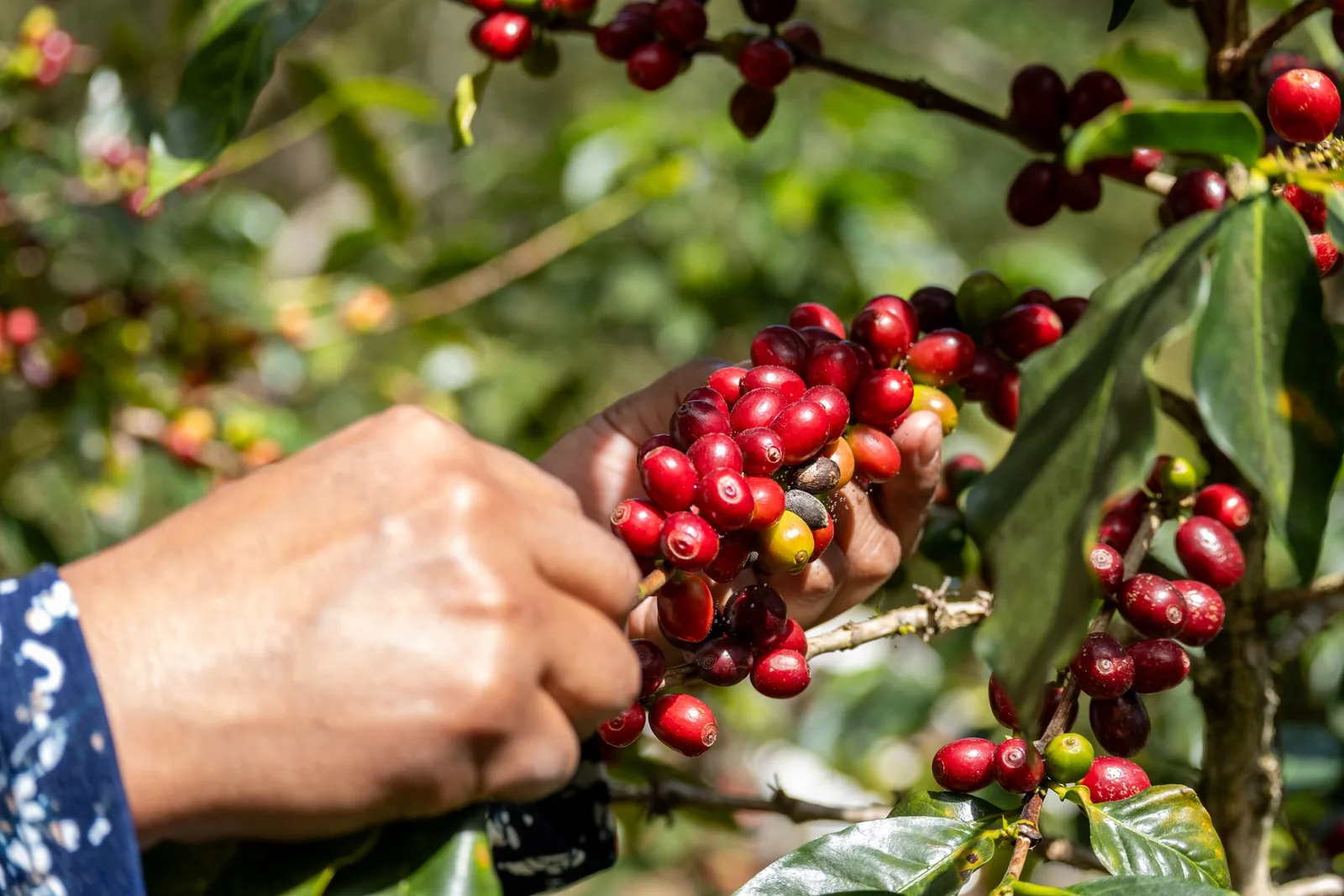
Picked ripe, by hand
We work with eleven farms and cooperatives in six countries. Most of them we have visited at harvest, and we pay well above the market price for cherries picked only when they are fully red.
02Roastery
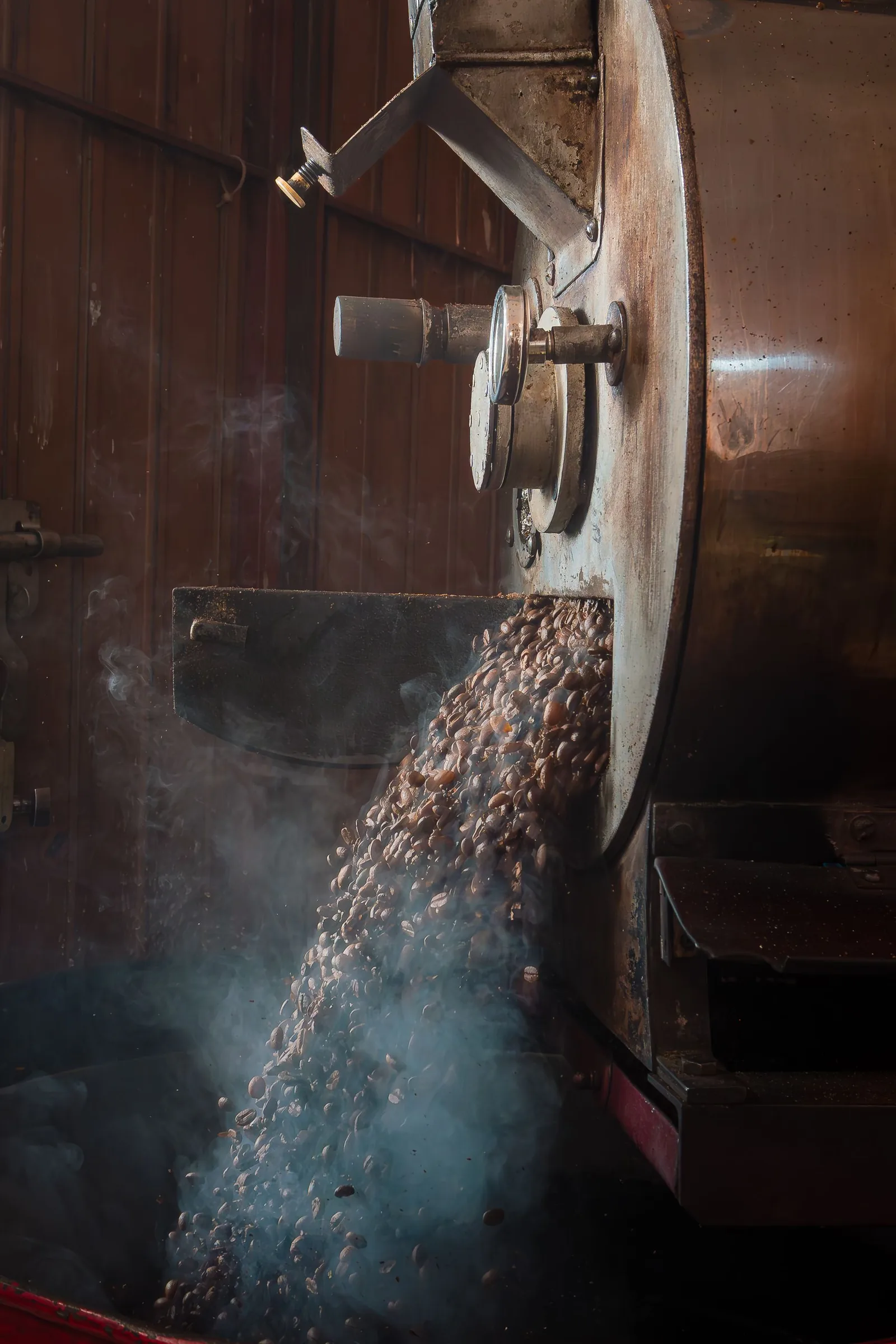
Roasted in 15 kg batches
Our drum roaster sits behind the counter. Each lot gets its own profile, written down and tasted the next morning before a single bag goes on the shelf.
03Cup
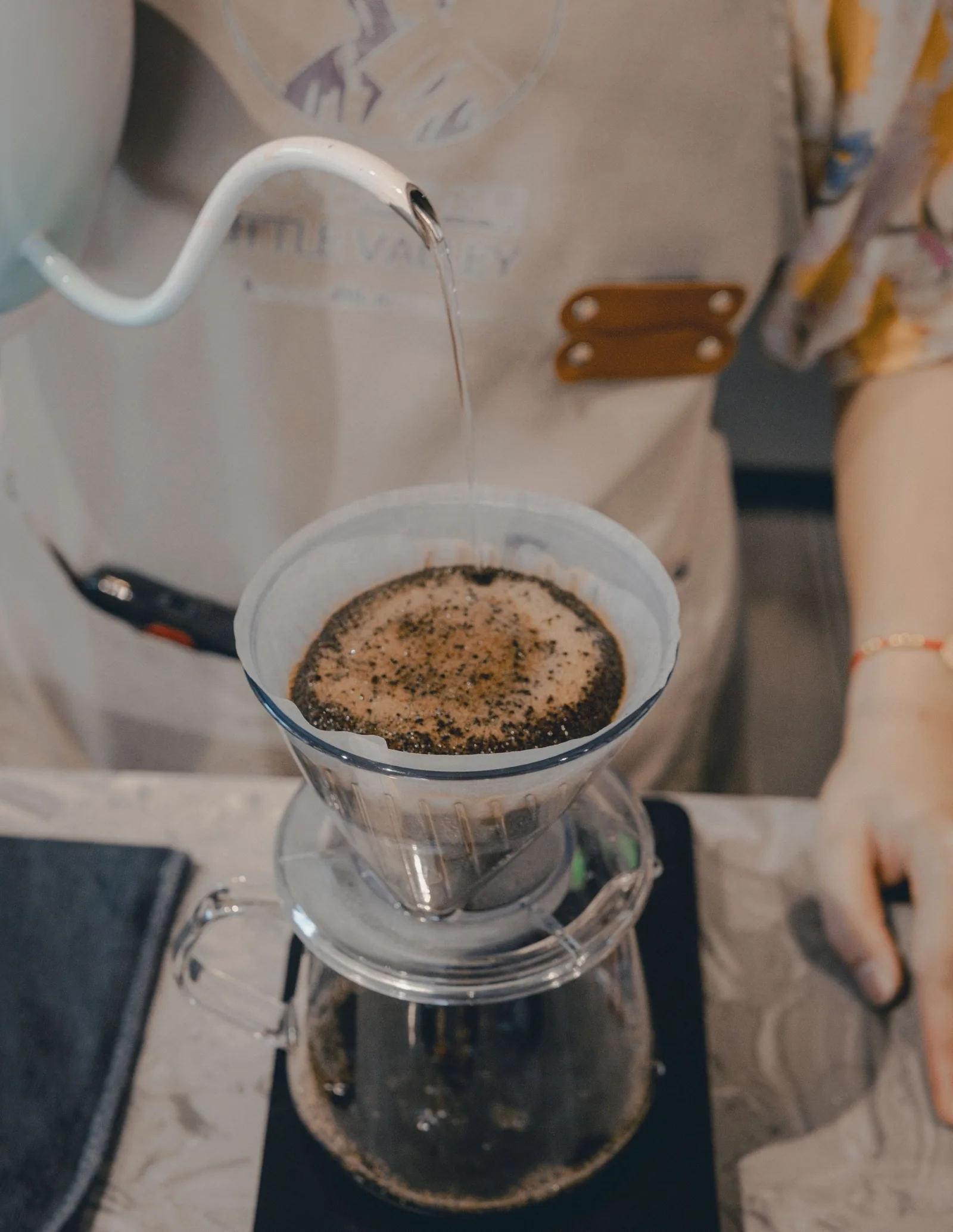
Poured ten metres away
In the cafe we brew the same coffees we sell: two on espresso, three on filter, changed every week. Ask the bar what is good today, they roasted it.
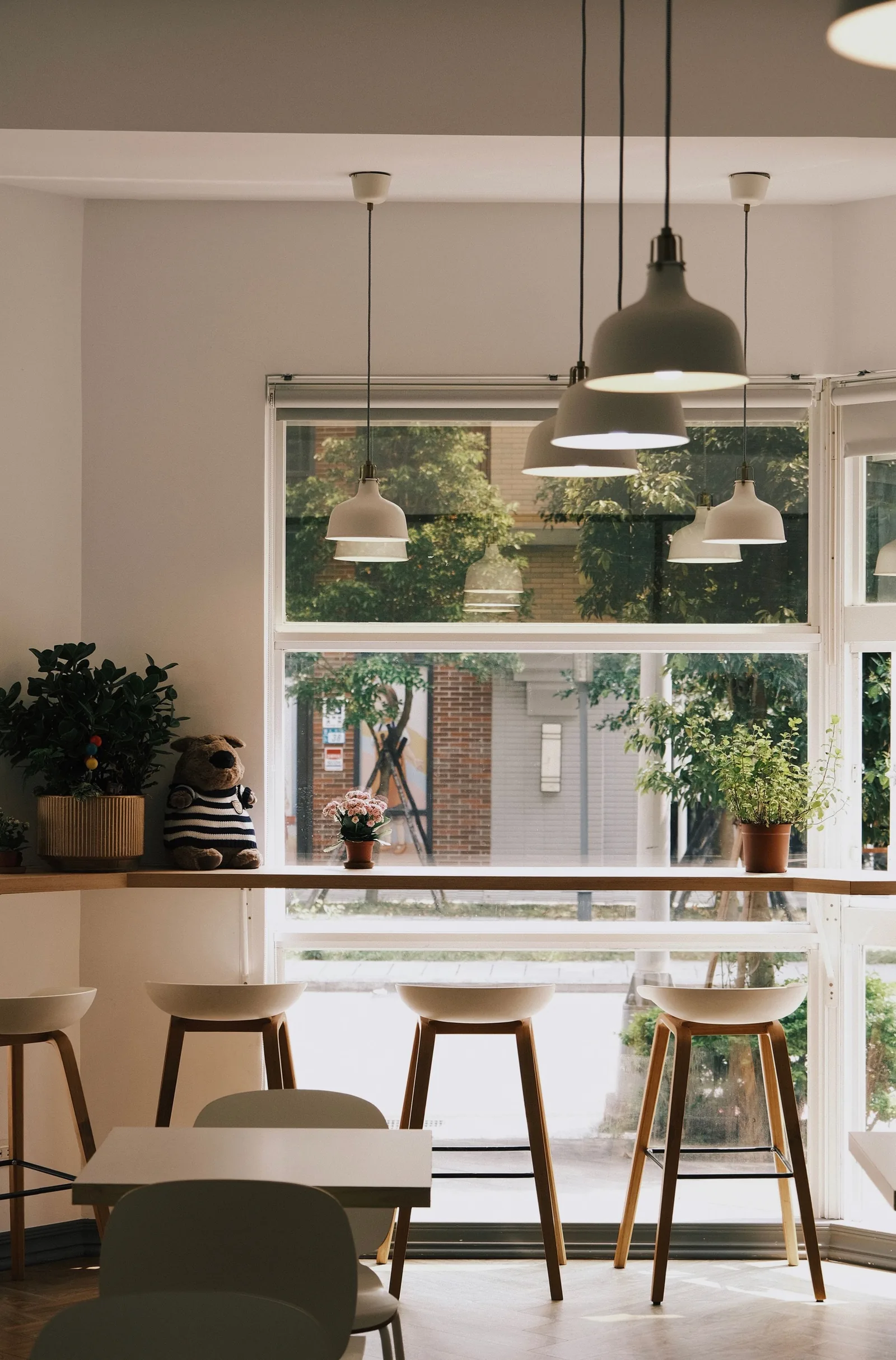
The cafe
A room that smells of Tuesday.
Twelve seats, one long bar and the roaster in the corner. Pastries come from the bakery across the lane every morning at seven.
Full menu and hoursWholesale
Coffee for cafes, offices and restaurants.
We roast to order for about forty businesses. Training for your bar staff is included, and we come and set up the grinder ourselves.
Ask about wholesale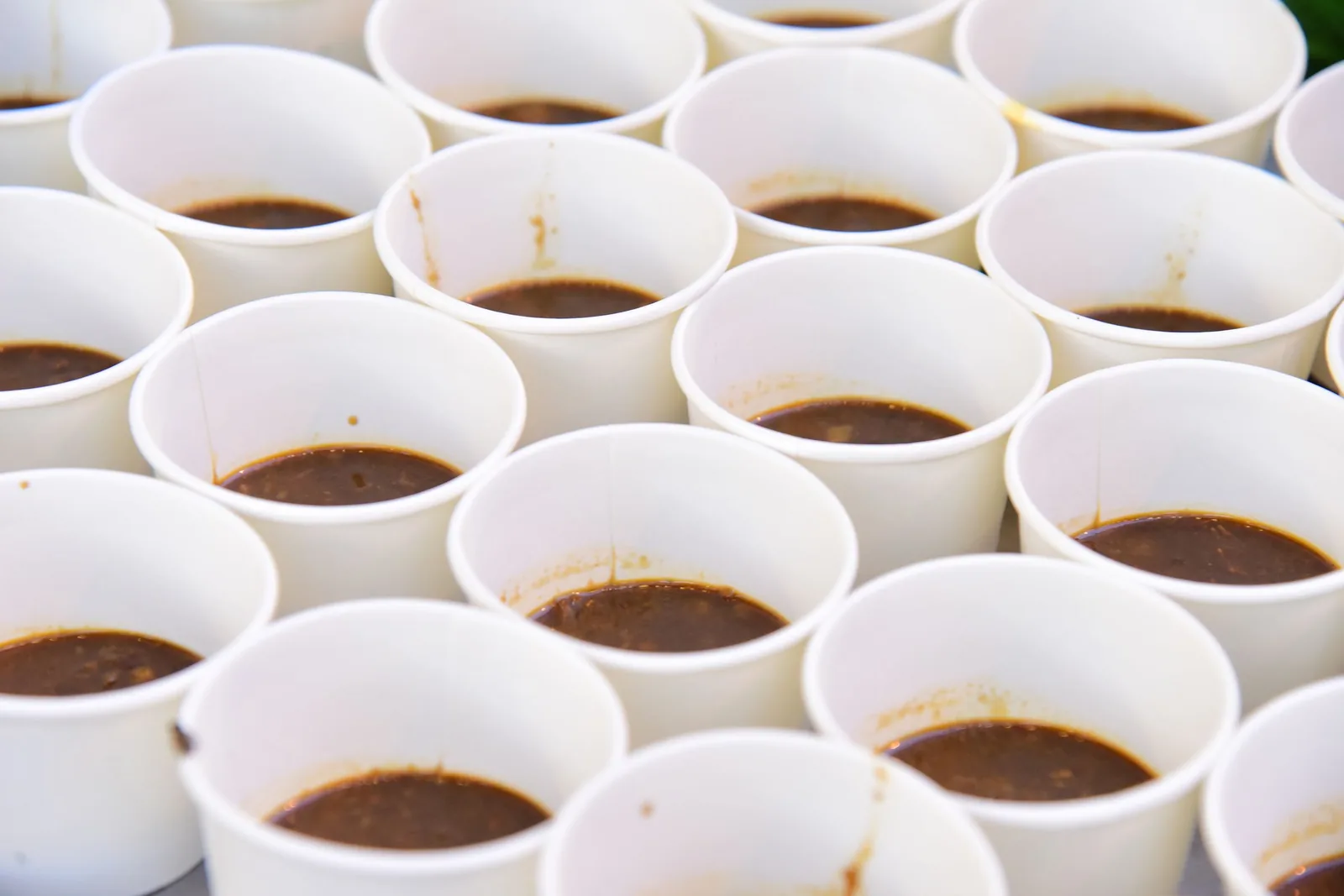 Two weeks of harvest in Huila
What a 1,850 metre farm looks like when every cherry is picked by hand, three times a season.
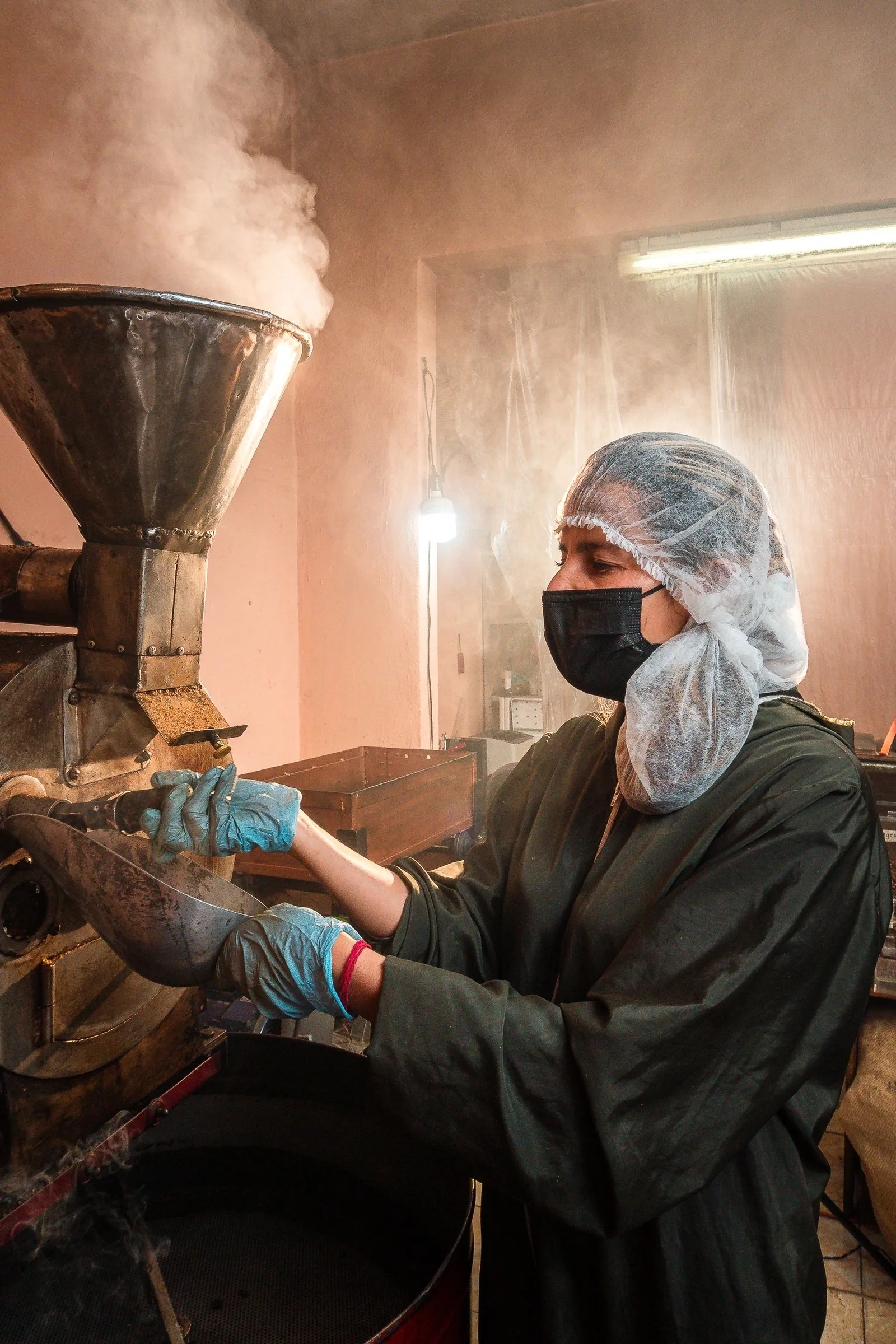 Why we roast only twice a week
Coffee needs a few days to rest. Roasting on Tuesday and Friday keeps every bag between four and twenty days old.
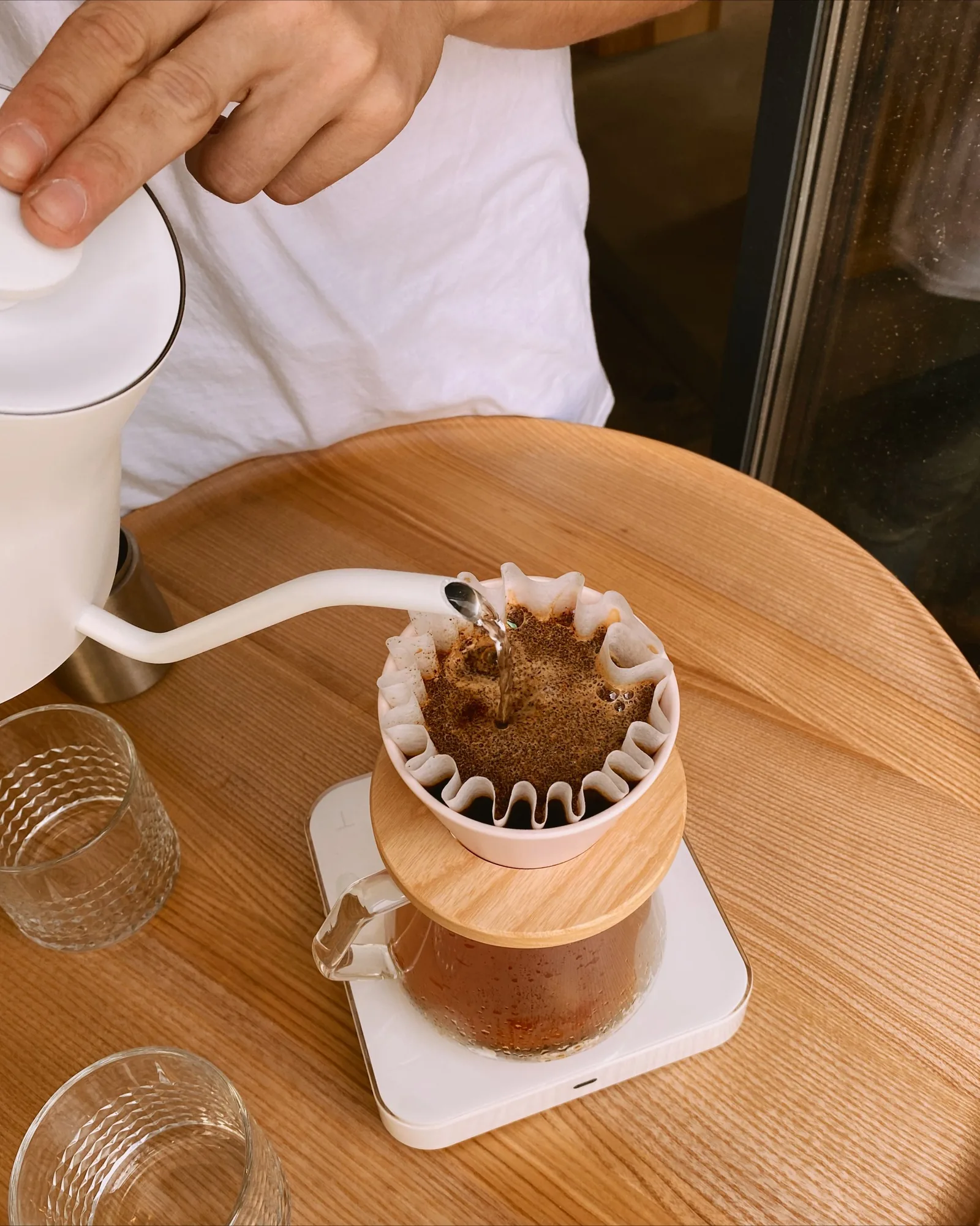 A better filter at home in four steps
Grind, ratio, water and patience. The same recipe we use on the bar, written for one cup.